At Kingdom, we spend a lot of time talking about the science behind our Superculture® ingredients. There's another side of our work, however, that tends to get less attention, and it's what I spend most of my time thinking about: our supply chain.
When a brand evaluates an ingredient supplier, the science is obviously important. But eventually, the conversation turns to something more practical: Can we count on you?
It's a vital question. It's also the same one we ask our own manufacturing partners.
Here's what goes into making sure the answer is yes.
From Microbes to Manufacturing
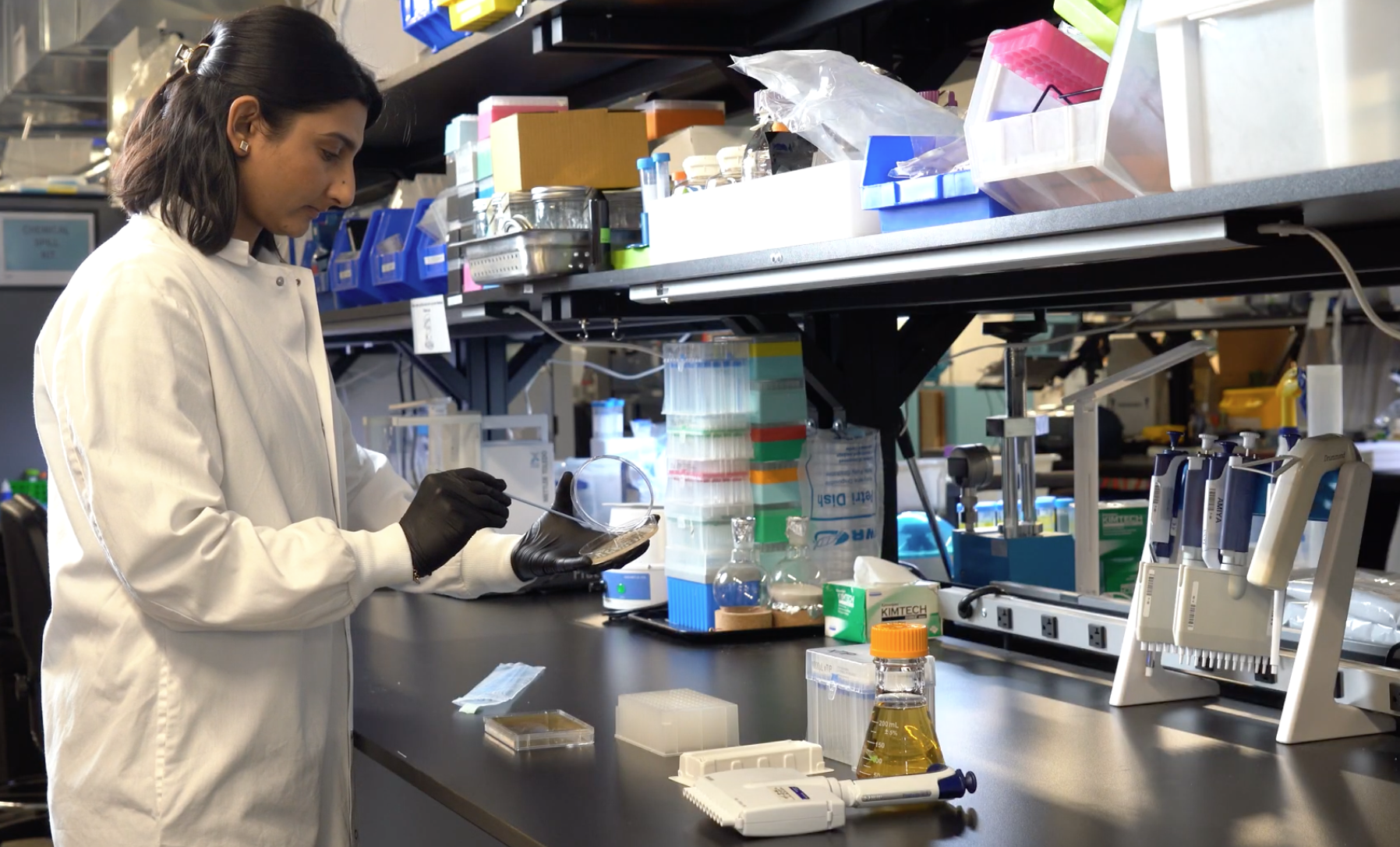
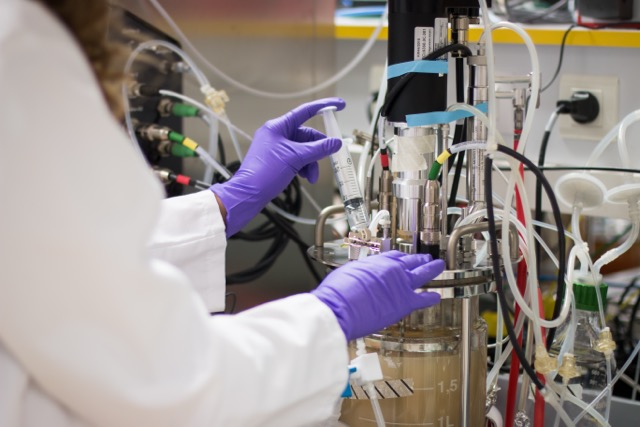
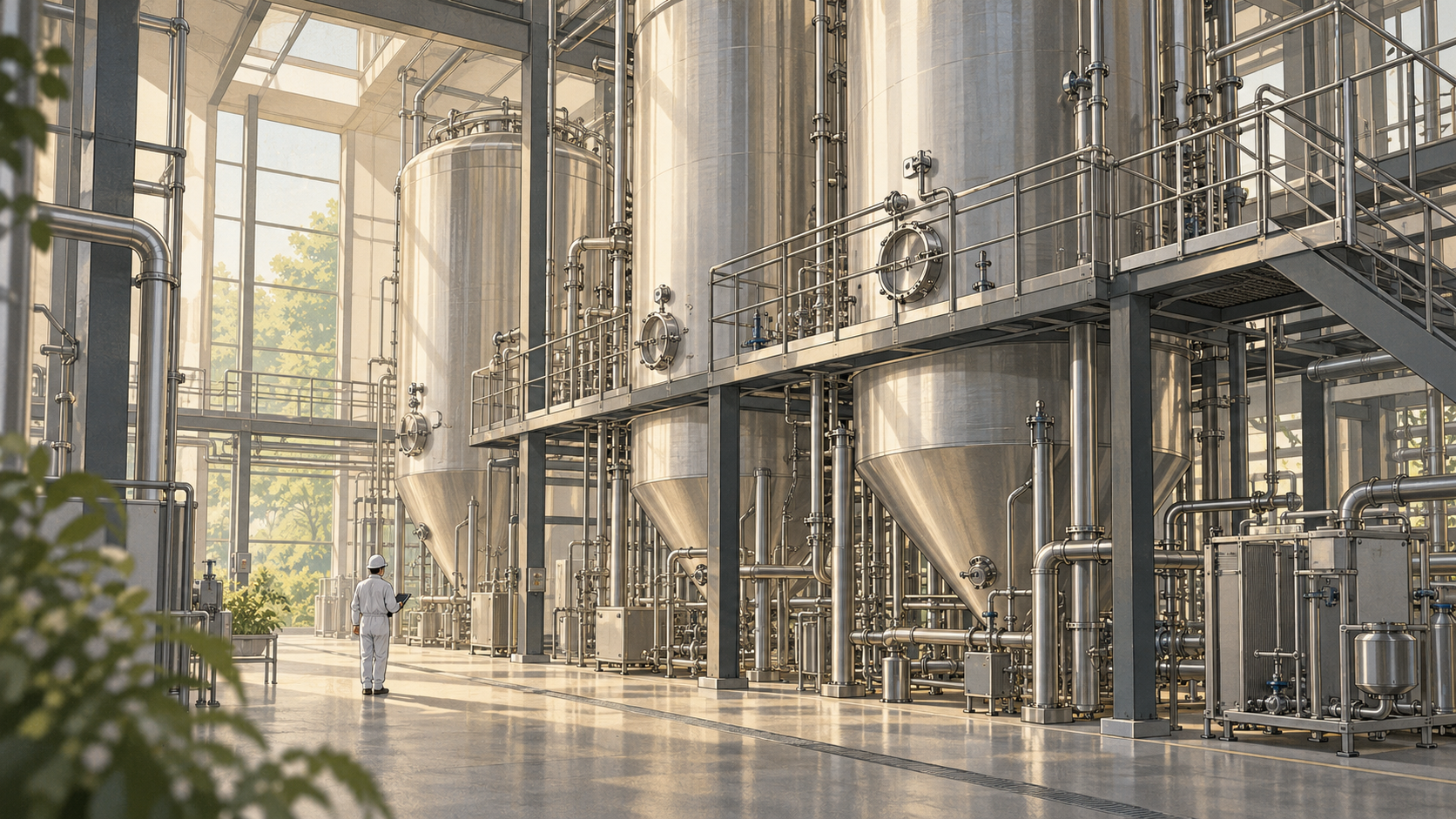
Making a Superculture® ingredient involves quite a bit more than growing microbes and putting them in a mylar bag. Our ingredients move through several stages of manufacturing, each handled by carefully selected, specialized partners here in the United States. Each partner brings its own equipment and expertise, but all are held to the quality standards we build into every stage of production.
On paper, our manufacturing process reads as a straightforward sequence: ferment, dry, blend, repeat. In practice, coordinating multiple facilities, production schedules, materials, and quality requirements takes extensive planning and coordination.
At each step in our supply chain, samples are collected and production records are reviewed to ensure we're meeting our quality standards. Each stage has its own requirements, and every finished lot must pass quality checks before being released for shipment.
We're Picky About Our Partners (For Good Reason)
Our manufacturing partners aren't just vendors that fulfill our purchase orders; they're an extension of our team. Choosing the right ones isn't just about liking the people we work with: it's about building a supply chain we can trust.
Of course, we look for fundamentals like domestic manufacturing, compliance with applicable Good Manufacturing Practices (GMPs), robust quality systems, validated processes, and the technical expertise to manufacture our ingredients consistently at commercial scale.
That said, a good-looking supplier qualification form is only one necessary piece of the supply chain puzzle. To us, it's not just about what's on paper, but also how the teams work together.
Are they transparent about their processes? Do they communicate openly when something changes or goes wrong? Are they willing to roll up their sleeves, get to the root of a problem, and collaborate to find a solution? And when things don't go according to plan, can they adapt, get creative, and keep improving? To us, a manufacturing partner who flags a potential issue early is far more valuable than one who tells you everything is going perfectly until it isn't.
And our evaluation doesn't end once a partner is qualified. We stay involved through ongoing communication, product testing, production reviews, facility visits, and performance scorecards covering quality, delivery, responsiveness, and operational reliability.
The goal isn't just to find partners who can make our ingredients today but to build relationships with people we can count on as our customers and business grow.
Quality Isn't Just a Final Check
Quality isn't something we just check at the end of production. It's something we intentionally build into every stage of our supply chain.
Every Superculture® ingredient has defined quality specifications, with controls and testing requirements throughout manufacturing. We rely on qualified third-party laboratories, detailed production records, and lot-level traceability to verify that all materials meet our standards before they're cleared to move forward.
Sometimes that means asking our partners to maintain safeguards beyond what's strictly required for the products we're making. Those additional checks take time and coordination, but we'd much rather identify a potential issue before it moves through our supply chain.
We follow a positive release process: no material is cleared for shipment until the required quality results have been reviewed and approved. Every shipment is accompanied by a lot-specific Certificate of Analysis (COA).
When Things Don't Go According to Plan
The reality of managing any supply chain is things don’t always go to plan. Equipment breaks, schedules shift, and unexpected challenges arise. This is where having the right partners and quality systems really pays off. They help us spot potential issues before they become problems, give us the visibility to troubleshoot when something does go wrong, and, perhaps most importantly, help us learn and improve from one production run to the next.
A reliable supply chain isn't one where nothing ever goes wrong. It's one that is built with resilience and the right expertise to handle the unexpected.
Built to Grow With You
All of this brings me back to something we jokingly call the "Ferment Crescent" here at Kingdom: our network of manufacturing partners, named in a somewhat grandiose nod to the Fertile Crescent. We're not claiming to be the birthplace of civilization, but we do believe the people, facilities, and systems behind our ingredients are helping us build something pretty unique and important.
If I've done my job here correctly, I hope you're both excited about the science behind Superculture® ingredients, and the supply chain we've built to deliver them.
As more brands incorporate Superculture® ingredients into their products, our responsibility goes beyond making a great ingredient. It's making sure we can deliver that same quality and consistency as our customers grow.
After all, great science is what makes our ingredients exciting. A dependable supply chain is what makes them something our customers can count on. And making sure all those moving pieces come together, again and again? That's the part I get to be excited about.