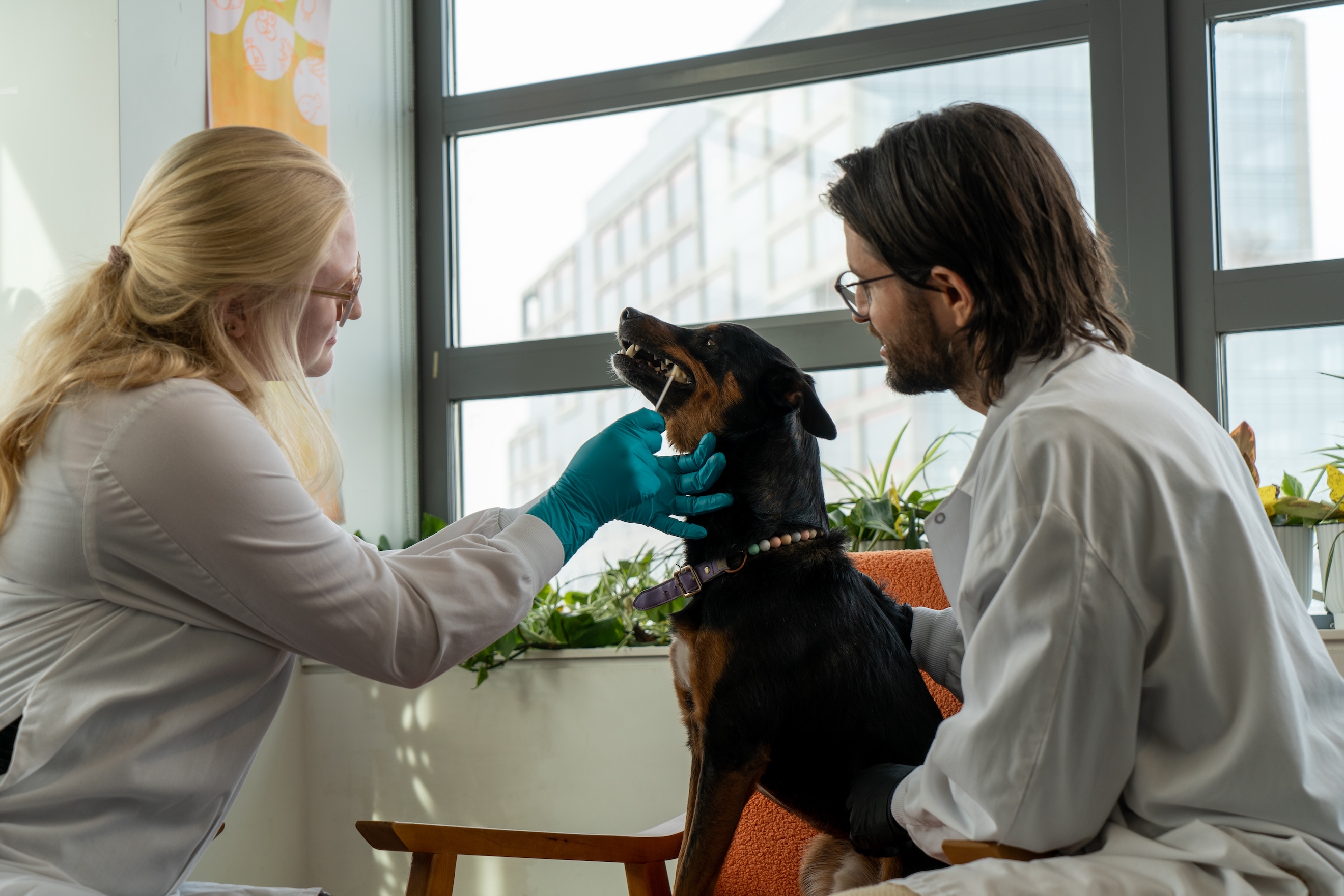
In our last blog post, we walked through the development of Superculture® Pet Immune: from identifying the unmet consumer need, to identifying indole compounds as a target to impact that need, to screening our biobank, to optimizing fermentation at scale. The next part of the story? Proving Superculture® Pet Immune delivers real, noticeable results across the health needs it was designed to impact.
Here's how we’ve done that.
Confirming safety, stability, and palatability
Before any clinical work begins, we need to confirm three things: that the ingredient is safe, remains stable, and is palatable to pets in its intended use.
Safety. Superculture® Pet Immune is derived from Pediococcus acidilactici, a non-GMO microbial species that meets AAFCO ingredient definitions and is included on the EU's Qualified Presumption of Safety (QPS) list. These are designations reserved for species with an established history of safe use. In addition, we completed rigorous and extensive analysis of the Pediococcus acidilactici strain and the broader ingredient to confirm safety for companion animal consumption. The ingredient itself is human-grade.
Stability. Before conducting any clinical trials, we confirmed that the active ingredient is expected to remain stable during end product manufacturing and shelf life through multiple extensive stability studies. As a postbiotic (“a preparation of inanimate microorganisms and/or their components” per ISAPP), Superculture® Pet Immune has an inherent stability advantage over live probiotics, which are notoriously sensitive to heat, moisture, and time. The ingredient’s stability profile makes it easy to formulate across virtually any pet product format. We summarize all of this information in a comprehensive Stability Assessment Report (reach out for access).
Palatability. We scientifically assessed palatability of the ingredient at the intended doses in two studies, one canine and one feline, at a third-party Clinical Research Organization (CRO). The studies confirmed that Superculture® Pet Immune is palatable to dogs and cats and should not impact the palatability of otherwise palatable food and supplement end products.
Designing studies that answer the right questions
Choosing what to measure
Not all measurements and endpoints are created equal. We selected clinical study endpoints by prioritizing two main criteria:
- The endpoints represent the highest-priority unmet health needs for pets
- The endpoints reflect outcomes pet parents can actually see
We assess these endpoints using well-established, validated methods. Wherever possible, we use quantitative tools: for example, we used accelerometers (wearable activity monitors that measure scratching activity) to objectively measure itching in dogs. We also incorporate methods that capture human perception, because at the end of the day, a pet parent's experience of their animal's health is critical.
Selecting the right population
Our studies enroll the most relevant populations for the endpoints we’re measuring. For Superculture® Pet Immune, that meant healthy companion animals that have noticeable occasional itching, visibly loose stools, or other target health needs.
Controlling for bias
All of our studies are placebo-controlled and double-blinded to ensure clear and unbiased results. Animals are randomized to receive either Superculture® Pet Immune or a placebo, and neither the pet owners, nor the researchers assessing outcomes know which group is which. This gold-standard methodology ensures our results are credible and defensible.
Keeping the delivery format translatable
Every study we've conducted to date has delivered our ingredient as a powder topper: no proprietary treat matrix, no flavored chew, no complex formulation. This is a deliberate choice to ensure that the results translate across pet food and supplement end-product formats.
Getting the study duration and measurement timepoints right
The length of each study is informed by a thorough review of the primary literature and standard protocols for the endpoints we're measuring. We always collect baseline measurements before the intervention begins, so we can quantify how each biomarker changes over time. And we assess effects at timepoints throughout the study, giving us a clear picture of the trajectory and timeline of the health benefits.
Working with the right partners to execute
We conduct our clinical studies with clinical research organizations (CROs) that meet three non-negotiable criteria:
- Full compliance with all regulations governing animal care and use
- Demonstrated experience conducting companion animal nutrition studies
- Proven capability in assessing the specific biomarkers we care about, using modern methods and technology
Running studies with CROs ensures we can enroll relevant animal populations and make high-quality measurements. It also enables us to collect data on our primary endpoints and related secondary biomarkers, e.g., both stool quality data (primary) and gut microbiome data (secondary), that deepen our understanding of how the ingredient works.
Rigorous data analysis
Once the data is in hand, we apply the statistical tests and models best suited to each data type we've collected, and we don't stop at one method. We check that our findings are consistent across different statistical approaches to ensure the conclusions hold up.
Peer-reviewed validation
Peer review by other scientists and veterinarians is the highest standard of credibility in our field. We pursue peer-reviewed publication of our clinical work (see the research from our first study on Superculture® Pet Immune here), to give our customers, and ultimately consumers, the utmost confidence in the benefits the ingredients are delivering.
What it all adds up to
Every decision in our clinical program, from the biomarkers we select, to the populations we enroll, to the statistical methods we apply to analyze the results, is designed to produce data we can stand behind. That rigor is what allows us to say, with confidence, that Superculture® Pet Immune delivers real, noticeable benefits on the health needs that matter most to pet parents. It's what allows our customers to say the same.